 Esporte Clube Vitória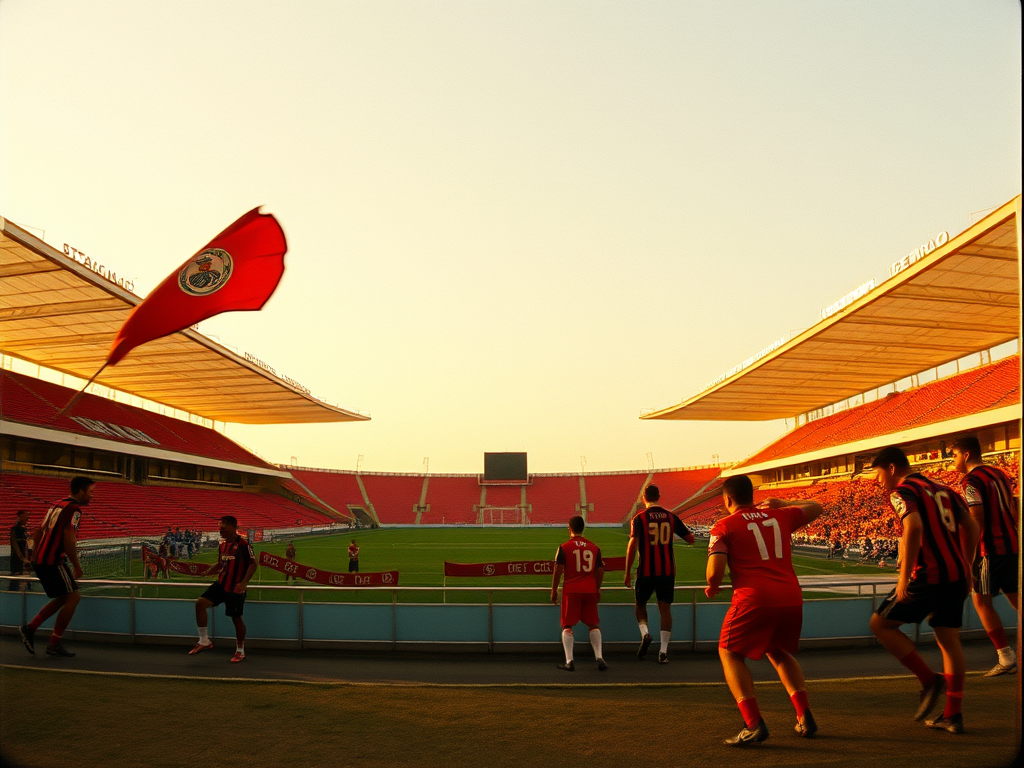
The 1980s were a crucial period for Esporte Clube Vitória, not only for its achievements but primarily for the strengthening of its rivalry with Esporte Clube Bahia. The Ba-Vi classic, which already had a rich history, gained new life and intensity, becoming one of the greatest spectacles in northeastern football.
One of the most emblematic moments of this era was the final of the Campeonato Baiano in 1988, when Vitória faced Bahia in a tightly contested match that captured the attention of all of Bahia. The rivalry was palpable, with fans from both sides creating an electrifying atmosphere in the stadium, and each game turning into a true battle of emotions.
In addition to the decisive matches, the decade also saw the emergence of idols who became eternal in the memory of the red-and-black fans. Players like striker Éder and midfielder Dema left their marks not only through goals and assists but through their grit and determination on the field, symbolizing the spirit of the Lion.
The 80s were not just about victories and defeats; they were about building an identity. Vitória, amidst a landscape of great rivalries, established itself as one of the great clubs in Brazil, attracting a passionate and dedicated fan base. The vibrant energy of the fans, who filled the Estádio Manoel Barradas, became an essential ingredient for the club's success.
Another striking feature of this time was the social impact of the matches. The Ba-Vi classic was not just a sporting event; it was a moment of unity for the city of Salvador, where the healthy rivalry between fans fostered a sense of community and belonging. The street festivities and celebrations after Vitória's victories became part of the daily life of the people of Salvador.
In conclusion, the 1980s were fundamental in the history of Esporte Clube Vitória. The rivalry with Bahia not only intensified competition in Bahian football but also shaped the culture of the club and the passion of its fans, who continue to cheer and fight for the Lion to this day.